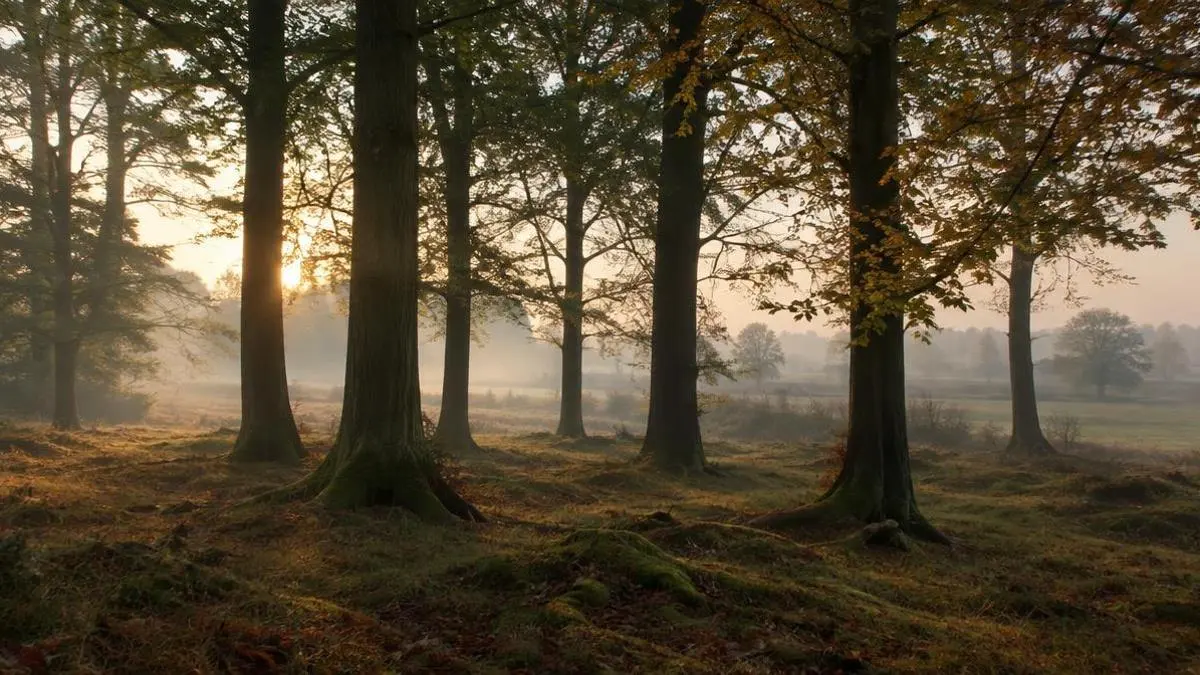
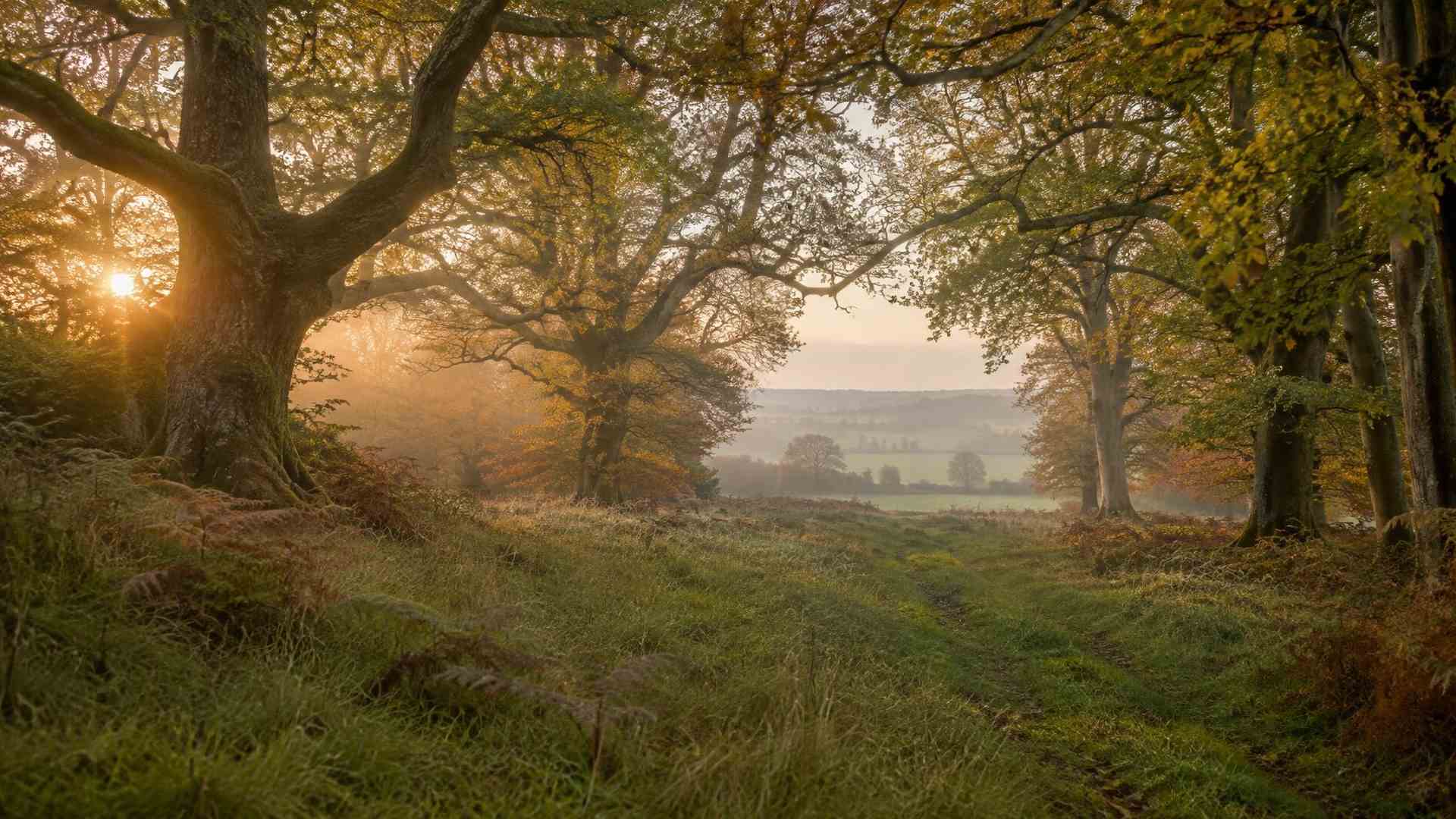
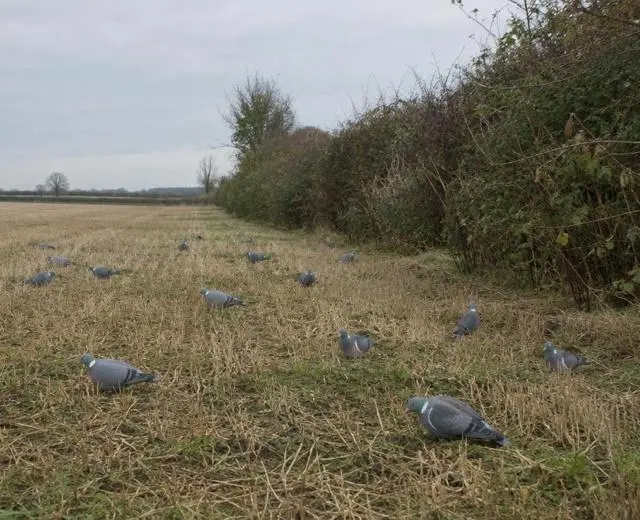
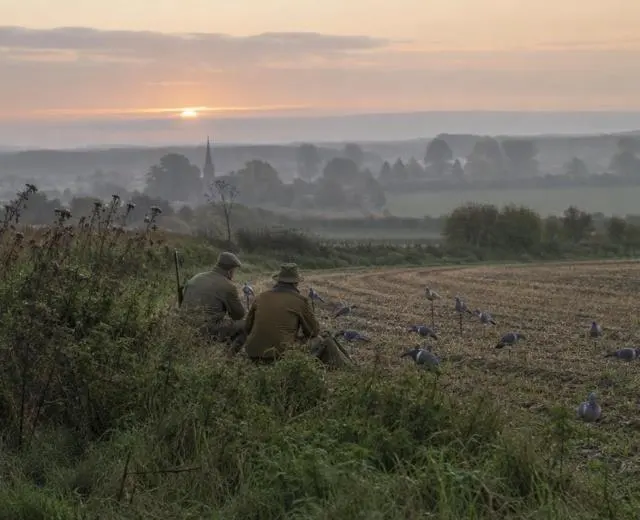
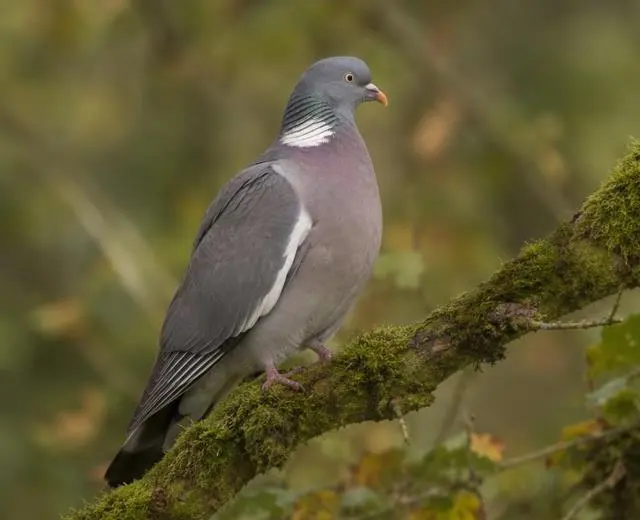
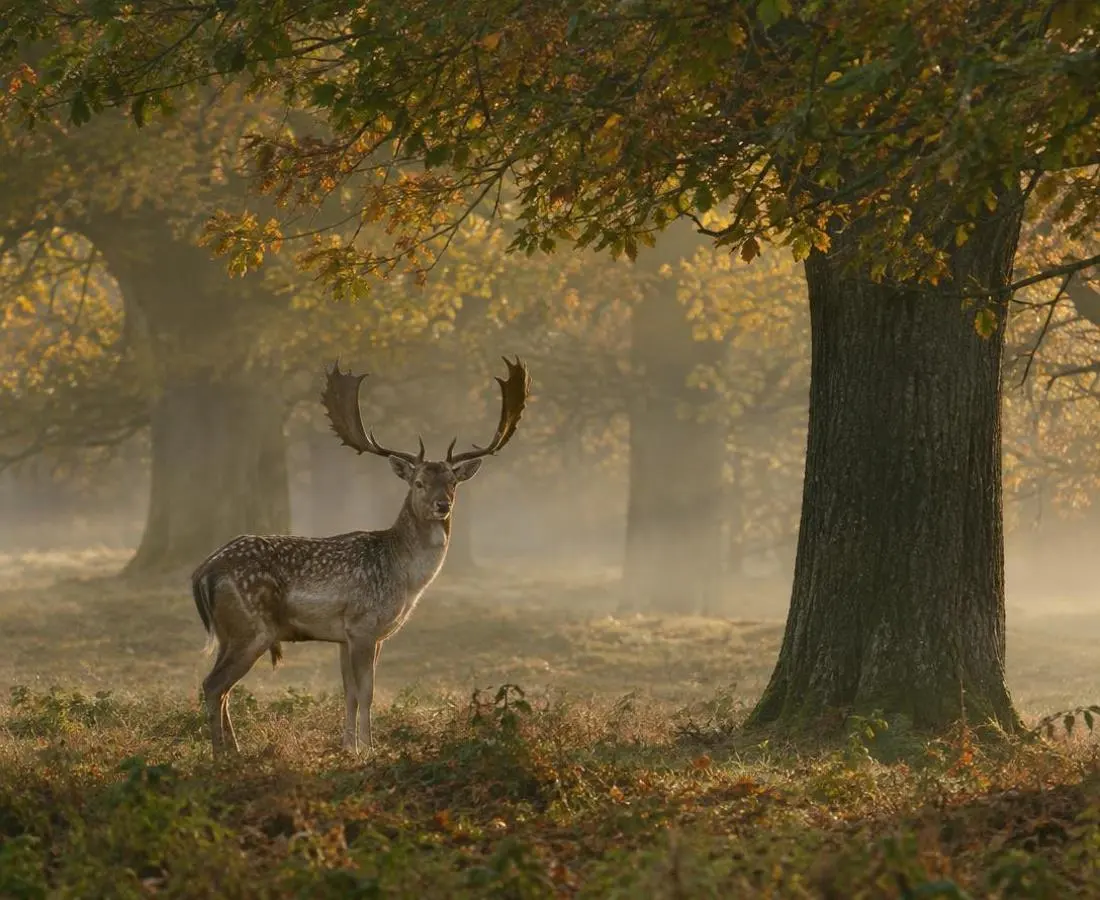
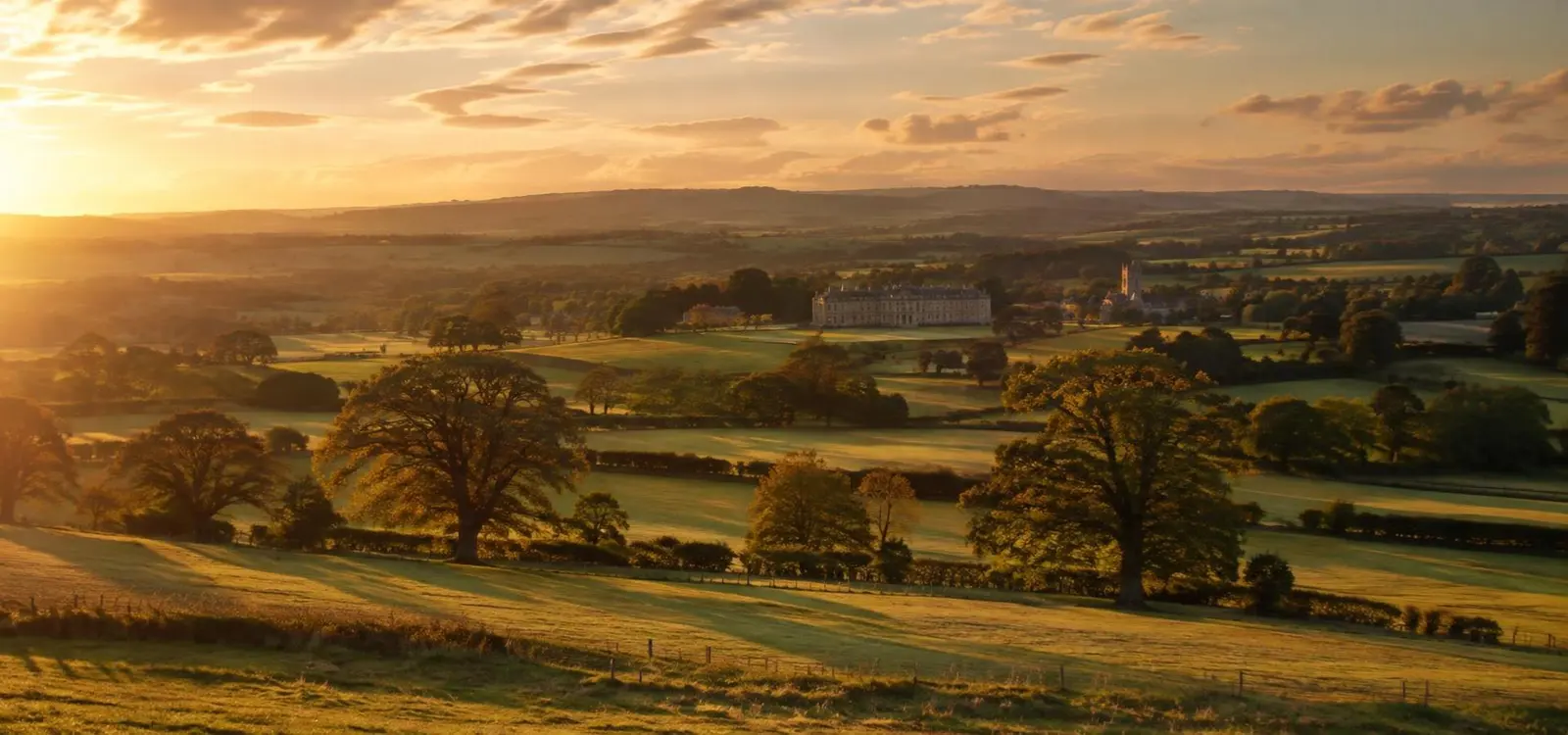
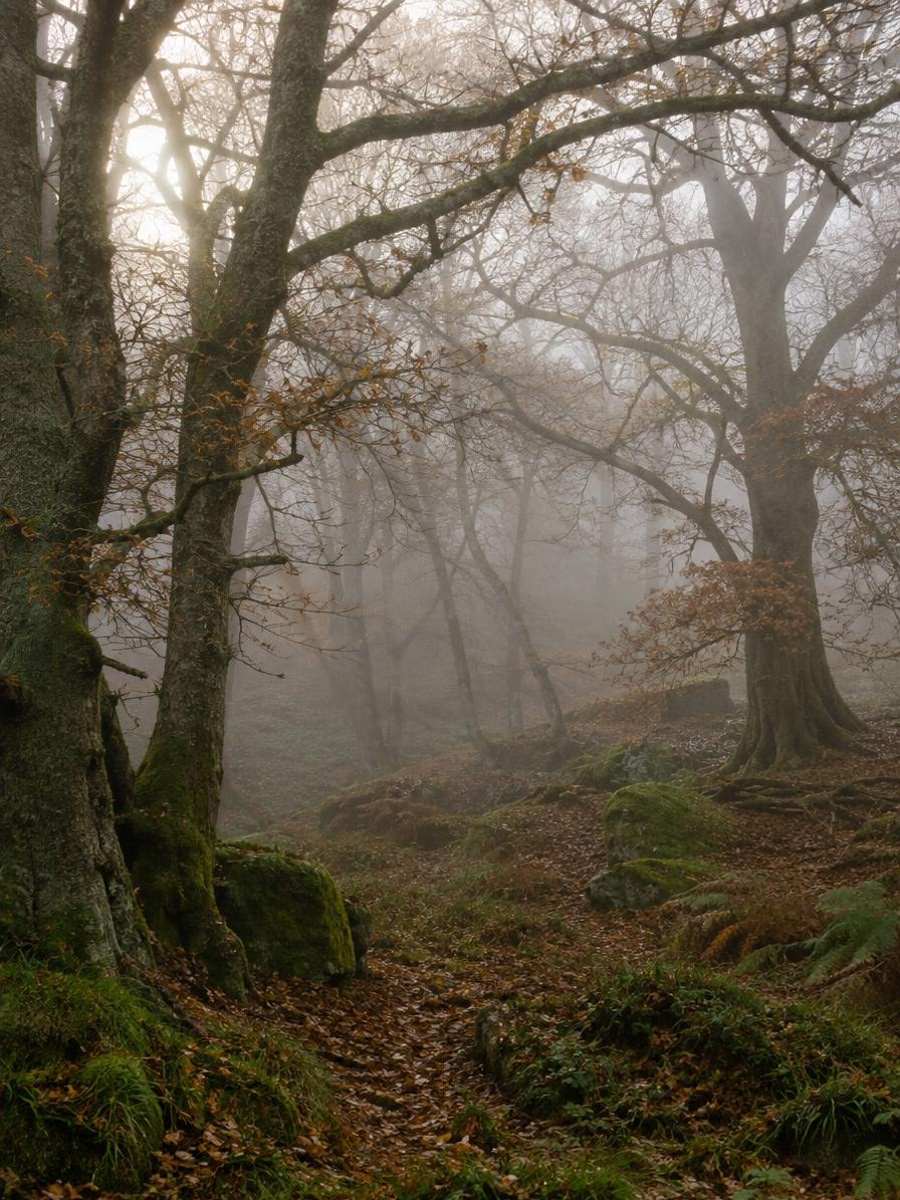
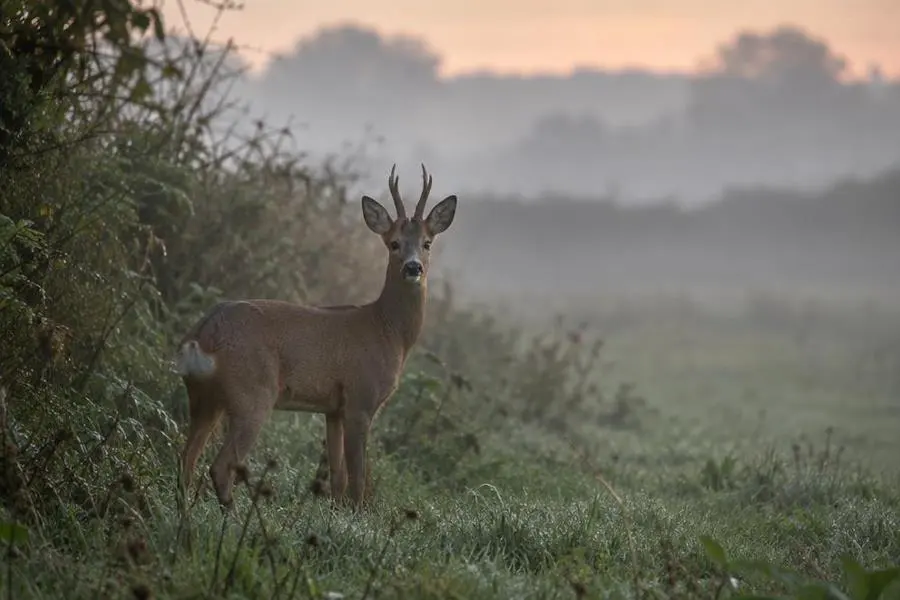
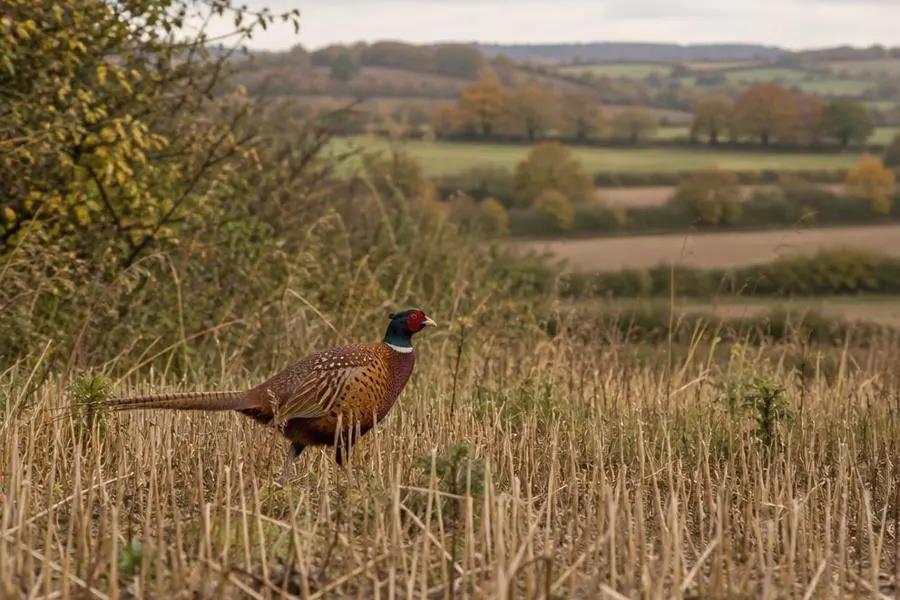
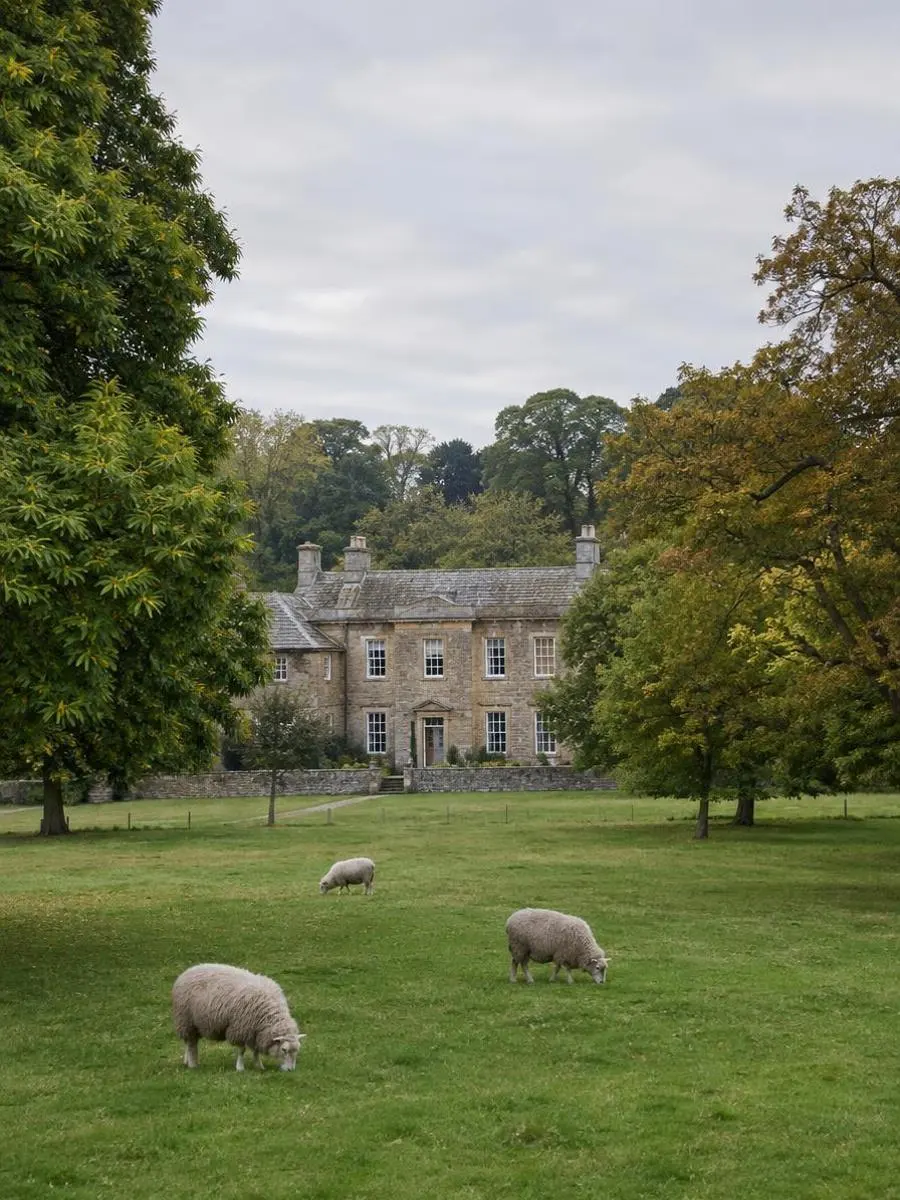
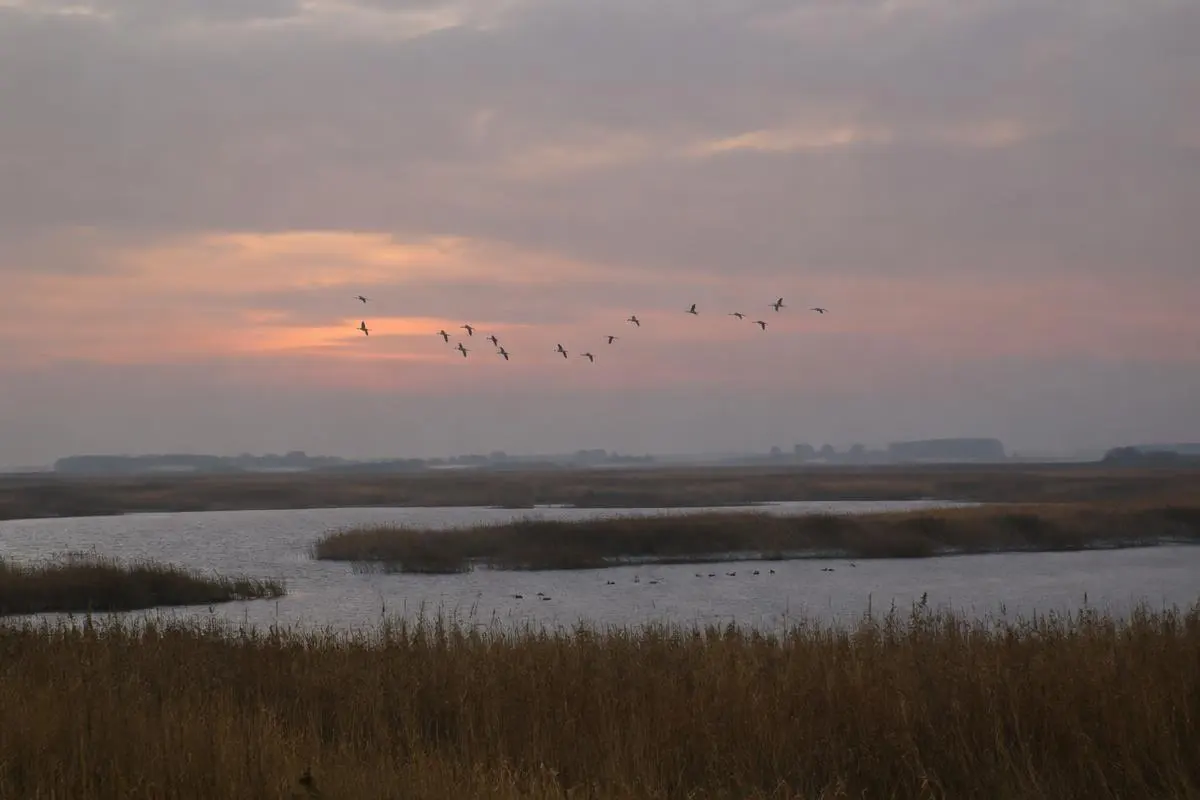
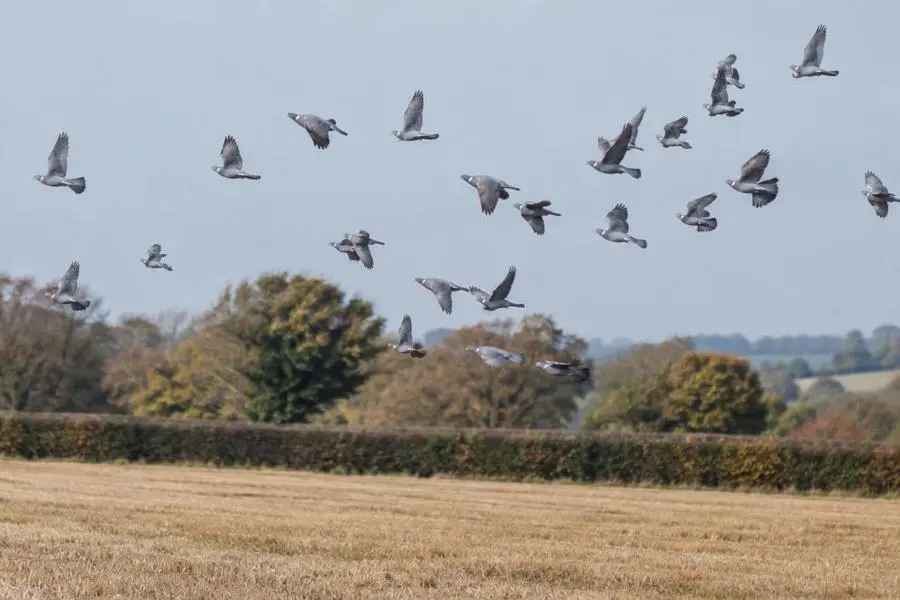
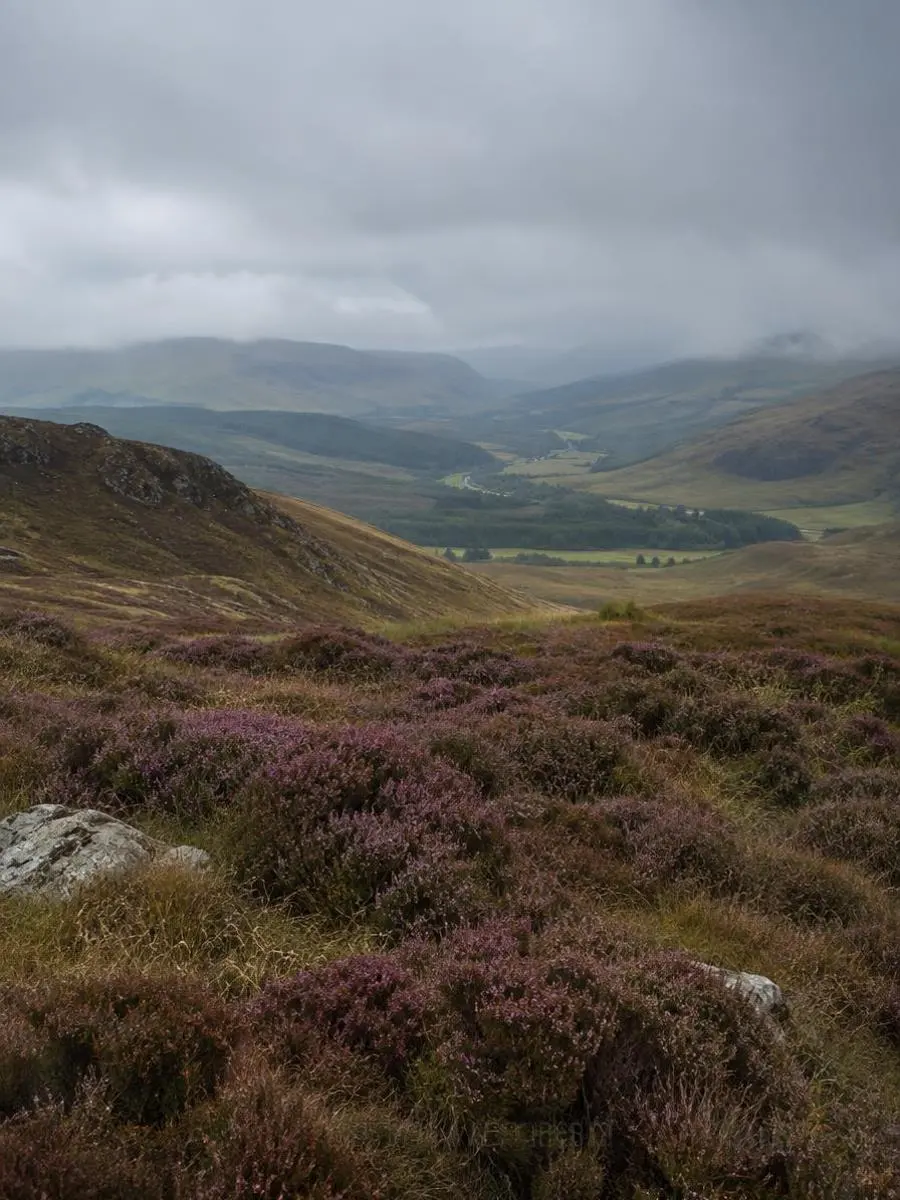
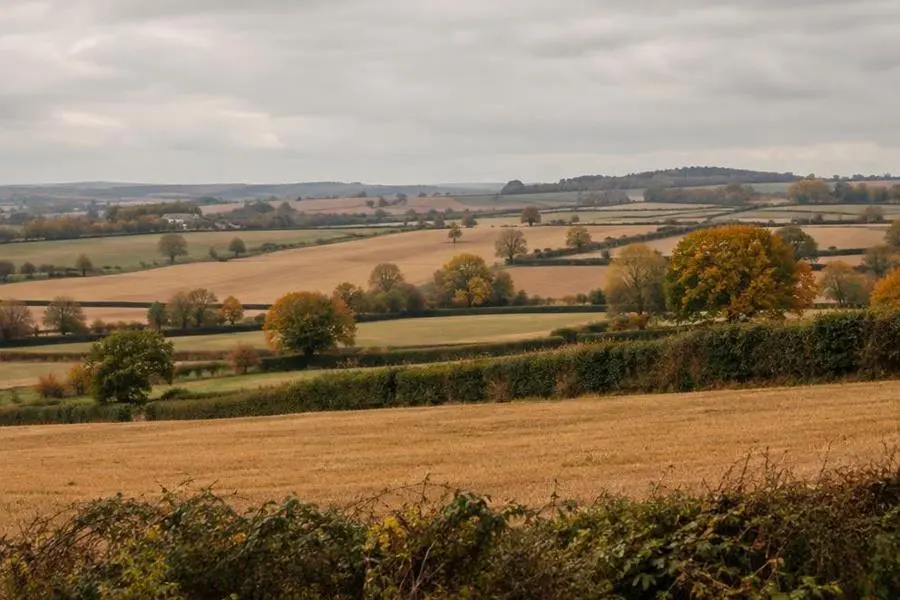
@/pages/home/components/Hero\n@/pages/home/components/Experiences\n@/pages/home/components/FeaturedStalking\n@/pages/home/components/CountrysideBanner\n@/pages/home/components/WhyHunt\n@/pages/home/components/Gallery\n@/pages/home/components/JournalPreview\nTraditional Field Sports.\nOutstanding British Countryside.\nWoodland, farmland, wetland and moorland — ground chosen for its habitat, tended for its quarry and shared with the people who work it.\nSweeping British countryside with hedged fields and ancient oaks at golden hour\nOutstanding British countryside and traditional field sports\n@/components/base/Container\nDeer Stalking in the British Countryside\nStalking in Britain is a patient, quietly demanding sport. The approach and the wind decide the day long before the shot, and a good guide will move through the wood with you at the pace the deer set, not the pace you would like.\nWe stalk on estates where the deer are wild and genuinely testing, with loan rifles and practical arrangements made for visiting hunters.\n@/components/base/SectionLabel\nFallow deer standing among autumn parkland oaks\nDeer stalking in the British countryside\nWoodland, wildlife and the changing British seasons.\nTraditional Hunting & Country Sports\nBased in the heart of England, Hunting UK arranges professional hunting and sporting holidays across the British countryside.\nWe are specialists in arranging every form of hunting and sporting shooting in Britain, for British and overseas guests alike. Stalk a Red, Roe or Fallow Deer, shoot driven Pheasant and Partridge, or enjoy a fine day’s pigeon shooting with friends — we will ensure you have the best sport England, Scotland, Wales and Ireland can offer.\nPigeon decoys laid out on English stubble beside a hedgerow\nSportsmen crouched at a British field edge beside decoy pigeons\nWood pigeon perched on a mossy branch in autumn woodland\nMisty British woodland at dawn with golden light through ancient trees\nTraditional hunting and country sports in the UK\nStories, Guides & Insights\nStories, guides and insights from the British countryside.\n@/components/feature/PostCard\nGrounded in the British Countryside\nA Guide to Deer Stalking in the UK\nWhat to expect from your first British stalking outing, from the approach and the wind to the unhurried rituals of the larder.\nDeer stalking rewards patience more than marksmanship. The shot, when it comes, lasts a fraction of a second; everything that leads to it — the approach, the reading of the wind, the slow business of closing ground — is where the craft really lives.\nBritish woodland stalking takes place in some of the most enclosed terrain you will ever hunt. A deer that senses you rarely presents a second chance, so the guide's first job is to move through the wood in a way that gives the wind nowhere to betray you.\nWork into the wind wherever the ground allows, and use the contours of the land as cover.\nGlass open ground from the shadow of the treeline before committing to it.\nKeep the rifle slung until the moment you need it, both for safety and for balance.\nThe stalk is the sport. The shot is only the punctuation at the end of the sentence.\nA Cornish stalker, on a wet November morning\nOnce a deer is down, the day becomes practical and unhurried. Gralloching, dragging and the journey back to the larder are part of the respect owed to the quarry, and part of what distinguishes British stalking from shooting purely for sport.\nA traditional British estate deer larder\nEverything on the estate ends up in the larder — venison is the honest return of the stalk.\nBring quiet clothing in muted country tones, boots that will handle wet ground, and a willingness to start before first light. Everything else — rifle, sticks, and the benefit of a guide who knows the wood — we can arrange for you.\nUnderstanding the British Deer Stalking Seasons\nWhich species is in season, when, and what that means for planning a stalking trip to the UK across the year.\nThe British stalking calendar is built around the welfare of the deer themselves. It creates a rhythm to the year in which each species has its time, and understanding it is the first step in planning any visit from abroad.\nFallow Deer — bucks from August, does from November, running into the spring.\nRed Deer — stags traditionally from July; hinds overlapping through the winter months.\nMuntjac — no close season in England, managed year-round as an invasive species.\nDates vary slightly between England, Scotland and Wales, and a good guide will always confirm the position for the specific estate before you travel.\nChoose the species and the ground first, and the calendar will follow naturally from both.\nThe autumn rut is the most atmospheric time to stalk, but it is also the most unpredictable. Stags that would normally ghost away will stand and argue; deer that are usually in deep cover will move in open daylight. Book early, and accept that the weather will have the final word.\nPigeon Decoying: A Practical Introduction\nHow to find the field, site the hide and build a decoy pattern that actually pulls birds — the fundamentals of British rough shooting.\nPigeon decoying is the most democratic form of British shooting: no driven day, no formality, just a field, a hide and a flight of birds that has chosen where it wants to feed. Get the location right and everything else follows.\nThere is no decoy pattern in the world that will pull pigeons to a field they have no interest in. Spend the dawn before your day watching where birds drop in, and where they leave. The right field will usually announce itself.\nWatch the flight lines into and out of the wood — they rarely change.\nSet your hide under the line, not in the middle of the field.\nLeave the pattern open at the front so birds can see the decoys from height.\nSpend a morning reading the field and you will shoot better all afternoon than any amount of expensive equipment will give you.\nWind, crop and time of year all change the pattern. On a windy day birds will come lower and faster; on bright, still afternoons they will circle high and wary. Adjust your pattern, and your patience, to match.\nWildfowling in Britain: What You Need to Know\nTides, marsh weather and the etiquette of the foreshore — an honest primer on British wildfowling for new and visiting guns.\nWildfowling is a sport of conditions. The tide, the wind and the weather decide everything, and the wildfowler's skill lies in reading them before setting foot on the marsh.\nA marsh that is safely walkable on the ebb can become a serious place within the hour. Learn the tide tables for your ground, and never be tempted to stay for one more bird as the water turns.\nKnow your escape route and the height of the water at your furthest point.\nCarry a lamp and a means of calling for help on any foreshore outing.\nNever wildfowl alone on an unfamiliar marsh.\nThe marsh will always give you one more duck. That is exactly why you must not take it.\nMost wildfowling happens in two narrow windows — the grey half hour before dawn and the same again at dusk. In between the marsh belongs to the birds, and the wildfowler waits, watches and learns.\nRoe Deer Stalking in England\nThe roe is the most charming and testing deer in the British countryside. Here is how to stalk it well in summer woodland.\nThe roe deer is native, solitary at heart and blessed with the sharpest senses in the British countryside. Stalking one in high summer, when the wood is at its densest, is as demanding as anything in these islands.\nBy July the leaf is fully out and visibility is measured in yards. Movement is slow, sound matters more than sight, and the deer will often hear you long before you see it. Choose your ground carefully.\nUse the call during the July rut to draw a buck into the open.\nWear soft, quiet clothing in muted country tones.\nAccept that a blank day is a normal part of roe stalking.\nThere is no such thing as a bad day's roe stalking. There are only days when the deer win, which is most of them.