
The Permission Map: A Better Pre-Season Check for Responsible UK Hunting
Navigating Hunting, in the UK: Utilizing a Permission Map In the UK hunting is not about finding the right spot. It's about knowing where you can go and where you should not go. Many areas that look open and inviting might actually be. Privately managed. This is why it's important to think before you start. […]
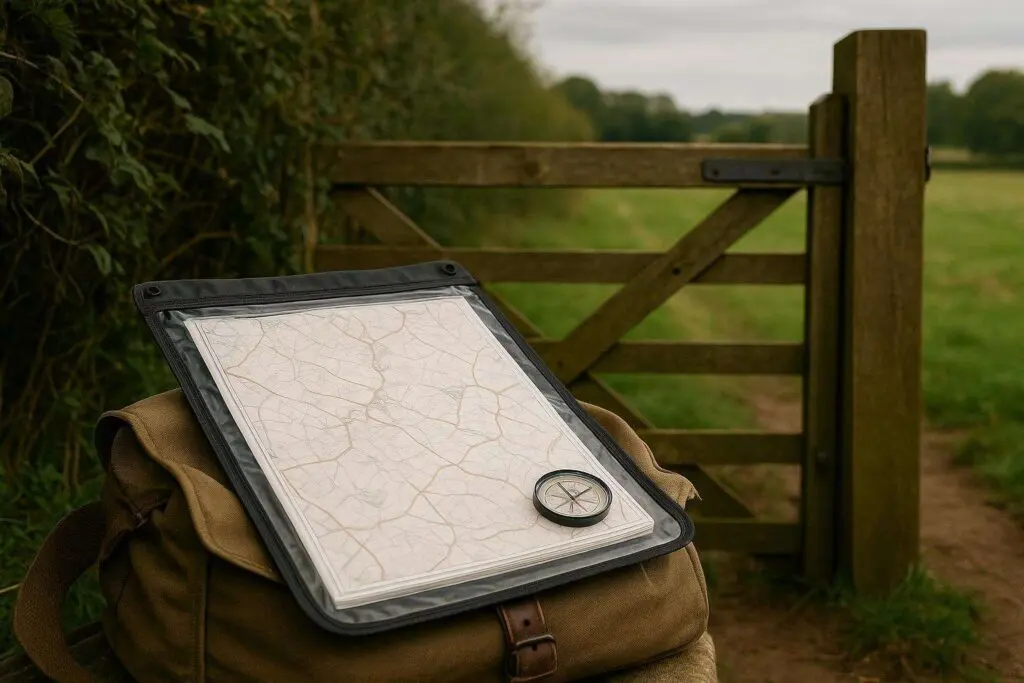
Navigating Hunting, in the UK: Utilizing a Permission Map
In the UK hunting is not about finding the right spot. It's about knowing where you can go and where you should not go. Many areas that look open and inviting might actually be. Privately managed. This is why it's important to think before you start. It's not enough to pick a field or a woodland and assume it's fine to hunt. You need to know who owns the land what rules apply and whether your presence might cause trouble. A permission map helps you see all this clearly.
Prioritize Permission Over Route Planning
Permission is the thing to get right. It's not enough to say "I have a friend who owns a field." You need permission. Write it down. Know the lines. Know the name of the landowner. Know what kind of hunting you're allowed to do.. Make sure the landowner agrees with what you plan to do. If your access was given casually like a chat over a fence take a minutes to write it down. This stops misunderstandings later.
Talk about the boundaries. Don't just say "the north field." Use landmarks-like a stream, a gate or a farm track. These features help define the area. Check your map against the ground. Things change. A new fence might block a path. A gate might be locked. A tree might have fallen. All of these can block your access or change how you move through the land. Always double-check.
Carry a map. Not just on your phone. A paper map in a case is better. Phones die. Rain can make screens unreadable. You could lose signal. You need a backup. A physical map may not be as flashy. It works when you need it most.
Identify Quiet Zones
Not every area is open for hunting. Some places must be left alone. These are zones. Houses, paths, livestock pens, streams and wetlands should be marked clearly on your map. These areas are sensitive. You don't want to disturb them.
Even small features matter. A grassy bank or a hollow might be a site for birds. A muddy patch might be where young deer rest. You can't see these things from a distance.. You can see them on the ground. Take the time to check. If you're unsure don't go in. Let it stay untouched.
Close gates. Leave them as you found them. Don't climb over fences. That's not just rude-it's dangerous. Fences keep livestock safe. They also protect you from getting into trouble. If you need to move something for access ask the landowner.. Don't leave anything behind. No litter. No markers. No tags. Anything left behind can harm animals. Confuse others.
Consider Timing Well as Terrain
Timing matters. The season affects what is allowed. In spring lambs are born. In autumn crops are harvested. In winter animals are more vulnerable. Rules change. So do the landowner's needs. What worked year might not work this year.
Check for events. A farmer might be building a fence. A path might be closed for maintenance. A wildlife survey might be happening. These things affect your access. Ask the landowner if anything has changed. Don't guess. Don't assume. The map you used year might not be accurate this year.
Talk to the landowner. Ask about work. Ask about livestock. Ask about visitors. You might not see a farmer's tractor in the field. They could be working early and late. You don't want to be when they're planting or feeding. Be respectful. Be flexible. Be ready to change your plans.
Equip Yourself Wisely
Your gear makes a difference. Choose boots that fit your terrain. Soft soles can damage plants. Heavy soles can leave tracks. Pick footwear that helps you move without causing harm. Dress for the weather. Bring layers. You might need to wait. You might need to go. Don't let cold or rain rush you.
Binoculars help. You can see wildlife from a distance. You can check boundaries without getting. You can see if an area is protected. You don't have to walk into it to know it's off-limits.
Don't carry much. A heavy pack makes you move faster. It also makes you take shortcuts. You might step on ground. You might cut through a protected path.. Don't carry little either. A flashlight, water, first aid and a way to contact the landowner are important. If you get lost if you get hurt if the weather turns you'll need them.
Balance is key. Think about where you're going how long you'll. What might go wrong.
Final Checklist Before Departure
Before you leave home before you even get in your car run through these questions:
– Do I have permission for this area and for this activity?
– Have I checked for updated rules or seasonal changes?
– Are my boundaries clear on both my map and the land?
– Have I heard from the landowner about any work or animals?
– Can I turn back without causing damage?
– Is my phone charged? Do I have a map? Do I have a paper backup?
– Do I know my emergency numbers?
– What will I do with any markers or waste?
If any of these answers are unclear stop. Don't go. Don't risk it. Even if it's a drive even if you're excited it's not worth it. Respect the land. Respect the people who manage it. Responsibility comes first.
Creating a permission map is not about claiming space. It's about showing respect. It's about planning. It's about being ready. Update your map after every trip. Note gates. Mark damaged paths. Write down what you learned. Over time your map becomes a guide.
It helps you make choices. It reduces conflict. It keeps the land healthy.. It makes your hunting experience more meaningful. You're not just there, to hunt. You're there to care.
Related Articles
A Guide to Deer Stalking in the UK
A practical, unhurried introduction to deer stalking in Britain, covering preparation, fieldcraft, equipment, safe shot selection and respectful care of the ground and quarry.
Wet Boots After a Day Outdoors: What to Do Before Tomorrow
The walk is finished and the car is unpacked, but the boots are still by the door. It is easy to leave them there until you need them again…
Understanding the British Deer Stalking Seasons
How to plan a British deer stalking trip around changing seasons, species, weather and local rules, with a simple method for checking dates before you travel.