
Wildfowling in Britain: What You Need to Know
<p>A practical primer on British wildfowling, from permission and tide planning to identification, navigation, habitat care and a safe return from the marsh.</p>

Wildfowling is a sport of changing conditions. A tidal marsh can feel calm at the start of an evening and become a serious place before the walk back is complete. The birds, the tide, the wind and the light all move on their own schedule. That is why good wildfowling begins with preparation and local knowledge rather than confidence alone.
This introduction is written for new and visiting guns who want to understand the shape of a British marsh day. It does not replace a club briefing, a guide or the current law. Permission, identification and a safe route home come before the possibility of a shot.
Permission and local knowledge first
Find out who controls the ground: a wildfowling club, landowner, harbour authority or conservation body. Ask about permits, access points, parking, shoot days, protected areas and the parts of the foreshore that must never be entered. Carry the required documents and save a contact number for the person responsible for the marsh.
Local knowledge is not a formality. A guide can point out soft mud, deep creeks, old sea walls and places where the tide cuts off a route. Walk the ground in safe daylight before attempting it in darkness or poor visibility. If that is not possible, book an accompanied outing instead of guessing.
Read the tide and weather together
Check the tide tables, wind direction, swell, visibility and forecast before leaving home. Give a trusted person your route and expected return time. On the marsh, keep checking the water rather than assuming the table will match the ground perfectly. Wind can push water higher, and channels that were easy to cross on the ebb may be dangerous when the tide turns.
Plan the return before you walk out. Choose a clear turning point and allow extra time for mud, waders, fading light and a slower pace with a bird. If the weather worsens or the route looks different from the plan, leave early. The marsh will still be there another day.
Carry simple, reliable kit
Wear layers that remain warm when wet and use footwear suited to the ground. A charged phone in a waterproof pouch, a headlamp with spare batteries, a small first-aid kit, water and an emergency whistle are sensible basics. Keep a map or offline route on hand and protect every item from salt water.
Do not treat equipment as a substitute for judgement. A flotation aid, waders and a lamp only help when they are used correctly and checked before the trip. If you are unfamiliar with the foreshore, go with someone who knows it and follow the club’s safety routine.
Identification in difficult light
Estuary birds can be hard to separate in the grey half hour before dawn or after sunset. Take time to identify the species, confirm that it is lawful quarry and consider the angle of flight. If you are not certain, do not shoot. A bird that is too distant, backlit or mixed with protected species is not a safe opportunity.
Keep the gun in a safe carry position until the identification and background are clear. Establish safe arcs with the guide before loading, and remember that mud banks, water and distant lights can make a background appear safer than it is.
Care for the foreshore
Wildfowling depends on healthy wetlands. Use established routes, avoid roosts and nesting areas, and do not push through sensitive cover simply to reach a different angle. Collect every cartridge, wad and item of litter. Keep dogs under control and leave gates, signs and access points exactly as you found them.
Responsible behaviour protects the relationship between clubs, landowners and conservation groups. It also protects the experience for the next person who walks the same ground. A good wildfowler notices the habitat as carefully as the birds.
After the shot
If a bird is taken, mark its position and recover it promptly without taking an unsafe route. Do not wade into unknown water or deep mud. If the bird falls beyond a safe line, accept that it cannot be recovered rather than creating a second emergency. Follow the club’s arrangements for recording the bag and dealing with the quarry.
On the walk back, keep the route simple and the pace steady. Tell your contact that you are safely off the marsh. Make a note of the tide, weather, flight and any hazards you discovered so that the next outing can be planned better.
A sensible first visit
For a first outing, choose a familiar club, a daylight recce and an accompanied tide. Ask the guide to explain the route, loading routine, safe arcs, protected species and emergency plan. Watch how an experienced wildfowler reads the marsh. The lessons that feel slow on a dry afternoon become invaluable when the light goes and the water starts moving.
Quick pre-marsh checklist
- Current permission, membership and any required documents.
- Tide and weather checked, with a written route and return time.
- Charged phone, lamp, spare batteries, water and first-aid kit.
- Species identification and safe shooting arcs agreed before loading.
- Plan to collect cartridges, litter and birds without entering unsafe ground.
Rules differ by species, season, site and country. Verify current official guidance and local restrictions before every outing, and never go onto unfamiliar tidal ground alone.
Related Articles

A Guide to Deer Stalking in the UK
A practical, unhurried introduction to deer stalking in Britain, covering preparation, fieldcraft, equipment, safe shot selection and respectful care of the ground and quarry.
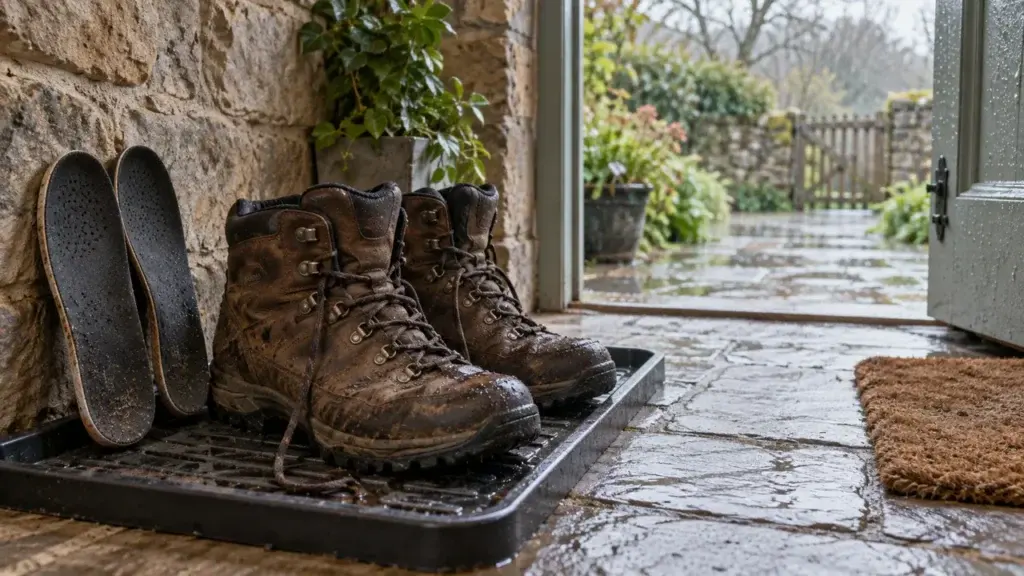
Wet Boots After a Day Outdoors: What to Do Before Tomorrow
The walk is finished and the car is unpacked, but the boots are still by the door. It is easy to leave them there until you need them again…

Understanding the British Deer Stalking Seasons
How to plan a British deer stalking trip around changing seasons, species, weather and local rules, with a simple method for checking dates before you travel.