
Understanding the British Deer Stalking Seasons
<p>How to plan a British deer stalking trip around changing seasons, species, weather and local rules, with a simple method for checking dates before you travel.</p>
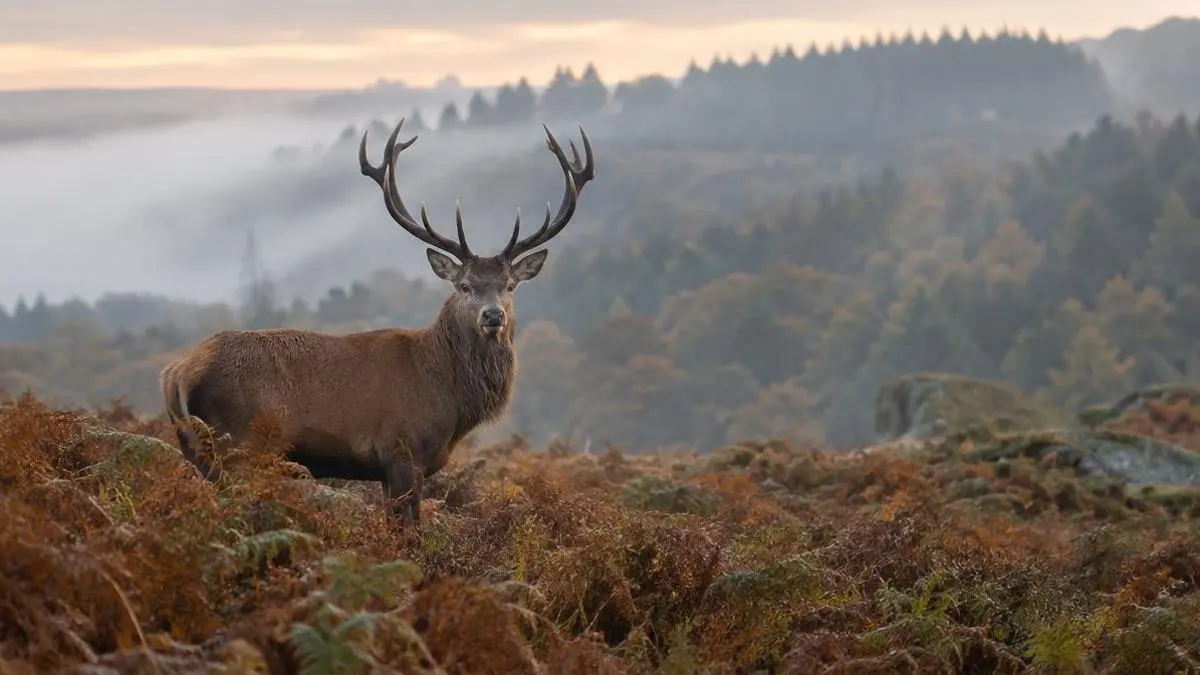
Deer seasons can be confusing if you just look at the calendar as a list of dates. In Britain there are different deer species. Rules often vary depending on whether you're hunting female deer. The rules are not the same in England, Scotland and Wales. What's more dates and guidelines can change from year to year. So relying on a chart saved on your phone is not enough by itself.
A better way is to use the calendar as a starting point for planning. Then check the current rules for the specific country, deer species, estate and firearm you plan to use. This habit helps protect deer during their vulnerable times of the year. It also keeps a planned hunting trip from turning into an issue that could have been avoided.
Why close seasons matter
Close seasons exist for reasons. They are based on deer welfare and effective management. These periods protect deer when they are pregnant or when young calves and fawns depend on their mothers. They also give landowners time to monitor the deer population restore habitats and organize culling activities that match the needs of the environment.
Responsible stalking is not about finding a gap in the rules. It is about understanding the purpose behind each season. It means accepting that the well-being of the deer matters more, than a booking, a weekend or a photo you had hoped to take. If the latest guidance isn't clear wait until you have confirmation before making any plans.
Build a one-page reference
Create a table that lists the species you might see. Include the country, the sex or class of deer the open and close season the permission needed and the source you used to check it. Keep the date you checked the information beside the table. This small step is especially useful for visiting hunters who may be familiar with rules at home but not with the system.
Use government guidance, recognised deer-management organisations and the estates written instructions. A guide or land manager can explain how the rules apply in practice. You should still understand the basics yourself. Search results and forum posts are useful, for finding questions to ask; they are not an authority.
Think in terms of the whole year
Spring, summer, autumn and winter each change the way deer use the ground. Spring growth provides food but can make woodland visibility difficult. Summer crops and dense leaf cover may offer stalking and very short sight lines. Autumn brings falling leaves rutting activity and a different rhythm to the estate. Winter can open the wood visually while making tracks, water and extraction more demanding.
These changes affect the experience when the legal season is still open. A guided stalk should be planned with access, good visibility and the welfare of the animal in mind-not just around the most exciting time to visit. Ask about the condition of the ground during the month you are thinking about going and consider what clothing, footwear and transport will work best.
Species, sex and local variation
Red deer, roe deer, fallow deer and muntjac all behave differently. Are managed in different ways. Some permissions are specific to one species while others are based on habitat, crop damage or population data. Do not assume that a rule that applies to one species will automatically apply to another.
Country matters well. England, Scotland and Wales each have their guidance and local conditions. A trip that crosses a border might need a check even if the estate looks like one continuous area. The same rule applies to ammunition, rifle requirements, permissions and the conditions tied to a lease or club.
Weather can change the plan
Extreme heat, frost, heavy rain and high winds affect more than just comfort. They change access, tracking, carcass care and the chance of a shot. A wet day could make it hard to move the carcass; a hot day might reduce the time, for cooling the carcass; frozen or waterlogged ground can stop you from getting close quietly.
A professional guide must be ready to shorten or cancel a stalk if the conditions create risk. As a guest I support that decision. The best booking is one that keeps everyone safe treats the animal and leaves the ground in good condition for the next visit.
Plan a trip that can adapt
When you contact an estate share your experience honestly. Explain whether you need a rifle or accommodation. Ask what happens if weather or the calendar changes. Confirm the meeting point, identification documents, insurance expectations, transport, meat arrangements and whether a guide will accompany every outing.
I build flexibility into my itinerary. A spare day can turn a cancelled morning into an afternoon while a rushed schedule encourages poor decisions. I keep a written record of the confirmation emails and the source of the season information I rely on.
Keep useful records
After each visit note the date species seen, weather, habitat, effort and outcome. Add any management work completed or advice from the landowner. Over time those records reveal patterns that a single memorable stalk can hide. They also demonstrate an approach when you return to the same estate.
Common questions
Can I rely on a season chart from last year?
No. Use it as a prompt then confirm the official guidance, for the country and species.
What if I see a deer outside the planned class?
Do not shoot. Tell the guide or land manager what you saw and follow the instructions that come with the permission.
Is the rut always the best time to visit?
It feels special. It is not automatically easier or safer. Weather, hiding places and the estates plan are just as important.
Before going check the seasons licence rules, local limits and the written permission, from the estate. This text is a planning guide, not advice.
Related Articles
A Guide to Deer Stalking in the UK
A practical, unhurried introduction to deer stalking in Britain, covering preparation, fieldcraft, equipment, safe shot selection and respectful care of the ground and quarry.
Wet Boots After a Day Outdoors: What to Do Before Tomorrow
The walk is finished and the car is unpacked, but the boots are still by the door. It is easy to leave them there until you need them again…
A Practical Gear Audit for a Safer, Lighter Day in the Field: From Early Planning to Final Checks
A permission day can look simple on paper: a short route, a favourable weather window and a rucksack that seems almost ready to go. In practice, small omissions become…