
Roe Deer Stalking in England
<p>A calm, practical guide to roe deer stalking in England, with advice on woodland ground, wind, timing, safe shot selection and respectful aftercare.</p>
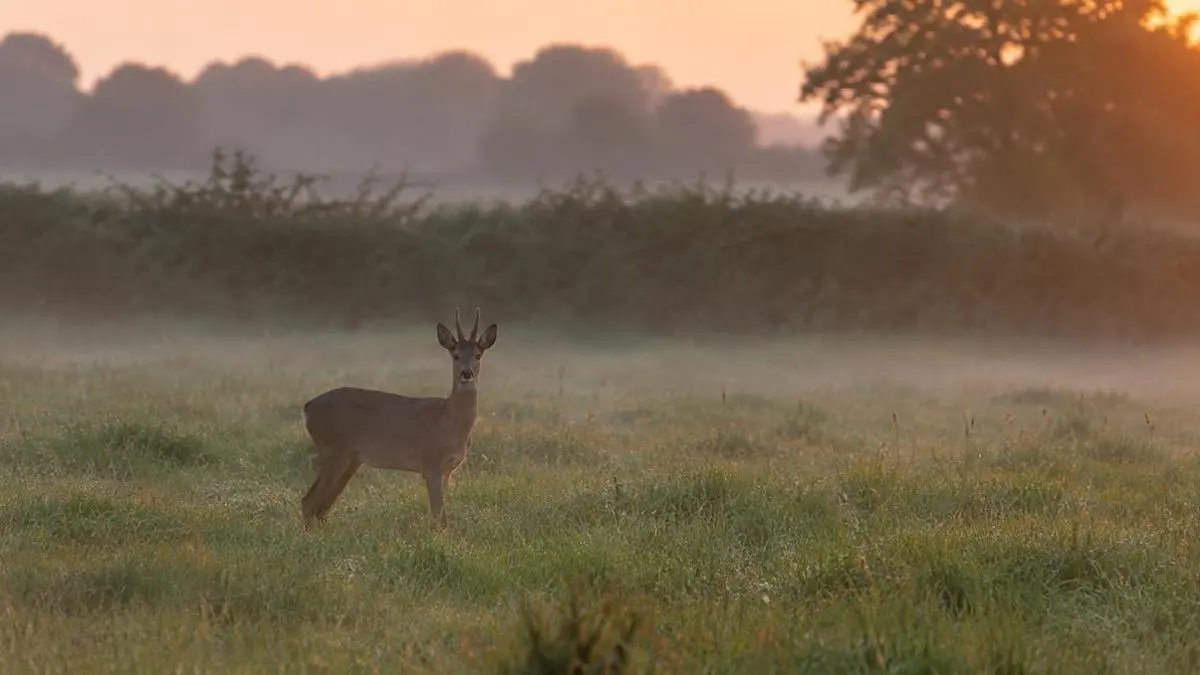
Roe deer make a small piece of English woodland feel much larger than it is. They can disappear into a hedge, cross a ride without a sound and notice a careless step long before the stalker knows the animal is there. That combination of alertness, cover and close range makes roe stalking a demanding form of fieldcraft.
The aim is not to force an encounter. It is to understand the ground well enough to move quietly, observe patiently and recognise a safe opportunity when one genuinely appears. The following guide is general information for planning a visit. Follow current English rules, the estate’s permission and the instructions of your guide.
Choose the ground before the date
Good roe ground usually combines cover with small openings: woodland rides, overgrown margins, young plantations and quiet field edges. Before the stalk, walk the permission in daylight and identify gates, public paths, roads, houses, livestock and safe observation points. Notice where the wind travels through the rides and where wet ground will make a quiet approach impossible.
Look for fresh browsing, slots, beds and clean tracks, but do not assume that sign tells you where the deer will be at the time of the stalk. A roe may feed on a margin at first light and hold in cover once the sun reaches it. Let the animal’s routine, not a map symbol, decide your route.
Timing and the rhythm of the wood
Early morning and the last light of evening often offer the best chance to watch roe moving between cover and feeding ground. Arrive quietly and settle into a position before the likely movement begins. A few minutes spent listening can reveal more than a hurried walk through the wood.
The July rut can make roe behaviour less predictable, but it does not turn a difficult stalk into an easy one. Dense leaf cover, warm air and changing wind can still make the deer vanish. Treat calls as a small part of the plan, not a guarantee. If the animal does not respond, stop calling and return to observation.
Use the wind and cover
Roe notice scent, sound and sudden movement. Keep the wind in your face where possible, use the darker side of a hedge or trunk and step only when the animal’s head is down or its attention is elsewhere. Soft, quiet clothing helps, but patience matters more. Stand still when the wood feels alert and move only when the conditions give you a reason to do so.
Keep the binoculars working. Glass the shaded edge before entering it, and check the background as carefully as the deer. A safe route may be ten yards to one side, while the obvious path puts you against a road or a public footpath. The best stalk is often the one that changes direction before the deer ever knows you are there.
Assess the opportunity, not the excitement
Make a positive identification and wait for a stable, broadside presentation with a safe backstop. Consider what lies beyond the animal: paths, roads, buildings, livestock and the next field. Do not rely on a hedge or a thin screen of branches to stop a bullet. If the angle is poor, the deer is moving or the background changes, lower the rifle and let the moment pass.
Keep the rifle in a safe carry position until the guide confirms the shooting position. Finger outside the trigger guard, muzzle controlled and communication clear. A calm decision is part of the skill. There will always be another deer or another morning; there is no acceptable reason to take an unsafe shot.
Care after the shot
Follow the guide’s instructions and allow time where needed before moving. The follow-up should be deliberate, not a rush through cover. Once the deer is recovered, keep the carcass clean and cool, use the estate’s extraction route and follow local arrangements for the larder. Field dressing and hygiene are part of the responsibility, not an optional extra after the exciting part.
Record the date, weather, location, deer seen and management outcome. Those notes help the landowner understand browsing pressure and help you make better decisions on a return visit. Close gates, avoid crops and remove every piece of litter.
Respect the permission
Roe stalking takes place on working ground. Farmers, forestry teams, walkers and dog owners may all be using the same landscape. Keep communication open, follow the agreed access route and pause when someone enters the area. If you see unusual damage, injured wildlife or a new hazard, report it rather than trying to solve it alone.
What a first outing should feel like
A good first day may include no shot at all. You may learn to read a ride, watch a roe family from a safe distance and understand how quickly wind changes the plan. That is useful experience. A guide should welcome questions and explain why a position is safe or why an opportunity is being passed over. Listen carefully; the reasoning is often more valuable than a list of equipment.
Simple preparation list
- Written permission, current season information and a clear boundary briefing.
- Quiet waterproof clothing, suitable boots, binoculars and a small first-aid kit.
- A rifle and ammunition combination you can handle confidently, with zero confirmed.
- A plan for public paths, livestock, roads, buildings and safe extraction.
- Time and patience to leave a poor angle rather than force a shot.
Confirm current English seasons, licence conditions, firearms requirements and the estate’s rules before stalking. This article is general guidance and does not replace formal instruction or the law.
Related Articles
A Guide to Deer Stalking in the UK
A practical, unhurried introduction to deer stalking in Britain, covering preparation, fieldcraft, equipment, safe shot selection and respectful care of the ground and quarry.
Wet Boots After a Day Outdoors: What to Do Before Tomorrow
The walk is finished and the car is unpacked, but the boots are still by the door. It is easy to leave them there until you need them again…
Understanding the British Deer Stalking Seasons
How to plan a British deer stalking trip around changing seasons, species, weather and local rules, with a simple method for checking dates before you travel.