
Pigeon Decoying: A Practical Introduction
<p>A field-led introduction to pigeon decoying in Britain: reading flight lines, choosing a hide, building a believable pattern and keeping every shot safe.</p>
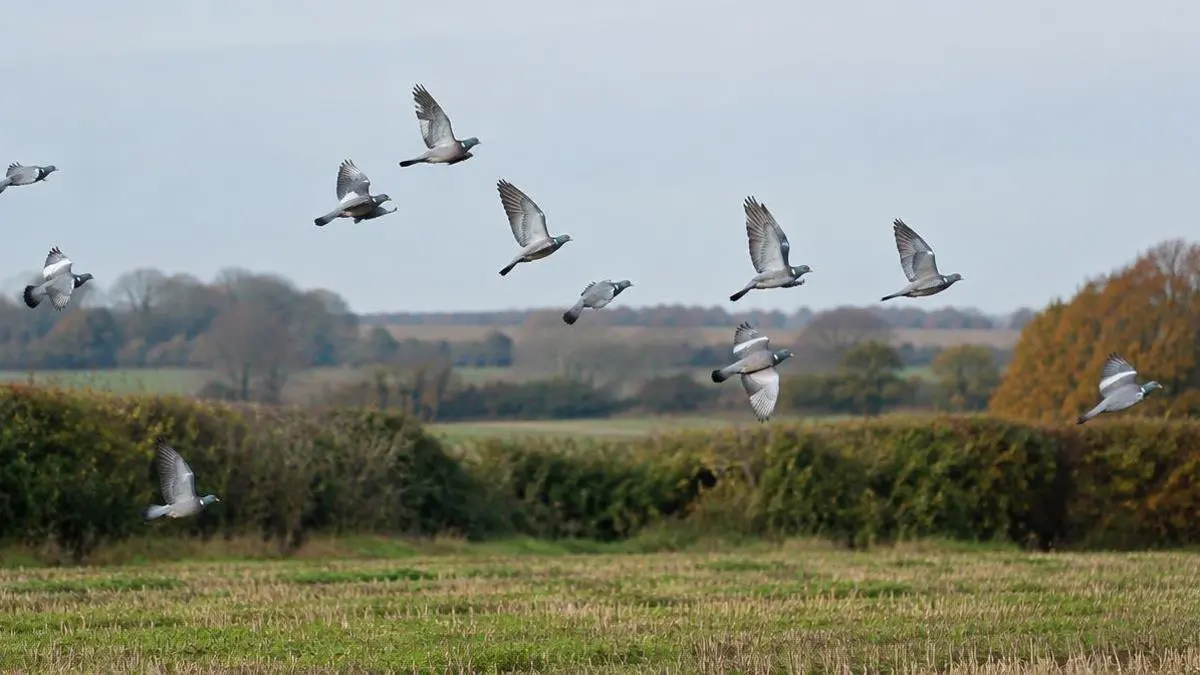
Pigeon decoying is often called an equipment sport. The best days come from watching closely. A hide, a gun and a dozen decoys will not help if the place you choose is not being used by the birds. The real skill is to look at the land figure out why the pigeons are moving and come up with a carefully timed plan that keeps the crop safe without causing extra worry.
The advice below is very simple. It is for someone visiting who wants to learn how a British field day works. Always ask for permission use the birds and the right bullets and follow the landowners safety rules.
Reconnaissance comes before the hide
Take time to watch from away before bringing any gear into the field. Watch the last movements of the day. Where do the pigeons leave the place they sleep? Which hedge do they go over? Do they land in a part of the crop and do they leave the same way when they are scared?
Fields that have just been planted, peas, rape and crops that are still standing can all change where the birds want to be. A field that looked good week might be empty after a change, in the weather or how the land is being used. Go back with a notebook. Write down the wind, the light, the crop condition and the likely paths the birds take. The field will usually give information than any list ever could.
Choose a position that makes sense
Set the hide where it breaks your outline and gives a safe view of the birds approach. A hedge, ditch or standing crop can provide concealment but do not damage cover unnecessarily. Keep the hide low to disappear and open enough for you to mount the gun without catching on branches or netting.
Think about the return journey well. You need a route in and out that does not cross the main flight line or disturb livestock. Tell anyone nearby where you will be. Stop if farm workers, walkers or vehicles enter the area. A productive position is never worth compromising another persons safety.
Build a believable decoy pattern
Start simple. Place the decoys where pigeons want to land leaving a landing zone and a clear view from above. A loose pattern that reflects the behaviour you observed usually looks more convincing than an arrangement. Keep the pattern from the likely approach and adjust its shape, for the wind.
Decoys are not a switch. If birds are feeding in another field move the hide. Accept that the session will be quiet. Watch how the birds react to the pattern. If they circle, flare or slide away change one thing at a time. Position, spacing, concealment or your own movement. So you learn what made a difference.
Wind, light and movement
Wind affects both the pattern and the shooting. Birds often approach lower and faster in a strong wind, while still, bright conditions may leave them circling high and wary. Keep the sun in mind when choosing the hide; glare can make identification difficult and can reveal movement inside the net.
Once settled, move only when the bird's attention is elsewhere. Arrange cartridges, seat and gun so that you do not need to twist or reach across the hide. Waterproof clothing that stays quiet is an advantage, but comfort matters too. A cold, cramped shooter starts moving at exactly the wrong moment.
Make every shot safe
Identify the bird beyond doubt and shoot only when the angle and background are suitable. Consider paths, roads, houses, livestock, farm buildings and where shot will fall. Do not shoot at a low bird over a hedge simply because the opportunity looks easy. If the background changes, lower the gun and wait.
Agree the safe arcs with the landowner or guide before loading. Keep the muzzle in a safe direction, follow the site's rules on loading and unloading, and stop immediately if another person enters the area. A responsible day is measured by safe decisions, not by a high bag.
Respect the crop and the farm
Pigeon shooting is usually arranged to help reduce crop damage. It's important to leave the field in better condition than you found it. Stick to existing tracks make sure gates are closed avoid driving on ground and collect every cartridge and piece of plastic. Pick up birds quickly. Handle them cleanly. Ask the farmer how they want the bag recorded or how the birds should be dealt with.
Learn from the session
Keep notes, on the weather, wind direction, crop type, flight line, shooting pattern and the time when the birds arrive. Even if the morning is quiet your notes still matter. You might find that the field works better in an evening wind or that the birds prefer a corner after harvest. Only move the hide when the evidence clearly supports it-don't just follow every bird that flies by.
The best pigeon shooting days have a almost methodical feel. You read the land settle into your hide wait for a shot and leave without leaving a trace. That mix of fieldcraft and restraint is what keeps the sport respected on working farms.
First-day checklist
– Written. A clear understanding of the limits that need to be followed.
– Weatherproof clothing, quiet shoes, water and a small first-aid kit.
– A hide and decoys that can be carried without hurting the plants.
– A safe shooting area that was decided ahead of time and a plan for people walking, animals and cars.
– A way to gather shells, trash and birds before leaving the field.
Check the hunting seasons the rules about guns and bullets and the landowners requirements before shooting. This is advice about being in the field not a replacement, for proper training or the law.
Related Articles
A Guide to Deer Stalking in the UK
A practical, unhurried introduction to deer stalking in Britain, covering preparation, fieldcraft, equipment, safe shot selection and respectful care of the ground and quarry.
Wet Boots After a Day Outdoors: What to Do Before Tomorrow
The walk is finished and the car is unpacked, but the boots are still by the door. It is easy to leave them there until you need them again…
Understanding the British Deer Stalking Seasons
How to plan a British deer stalking trip around changing seasons, species, weather and local rules, with a simple method for checking dates before you travel.