
A Guide to Deer Stalking in the UK
<p>A practical, unhurried introduction to deer stalking in Britain, covering preparation, fieldcraft, equipment, safe shot selection and respectful care of the ground and quarry.</p>
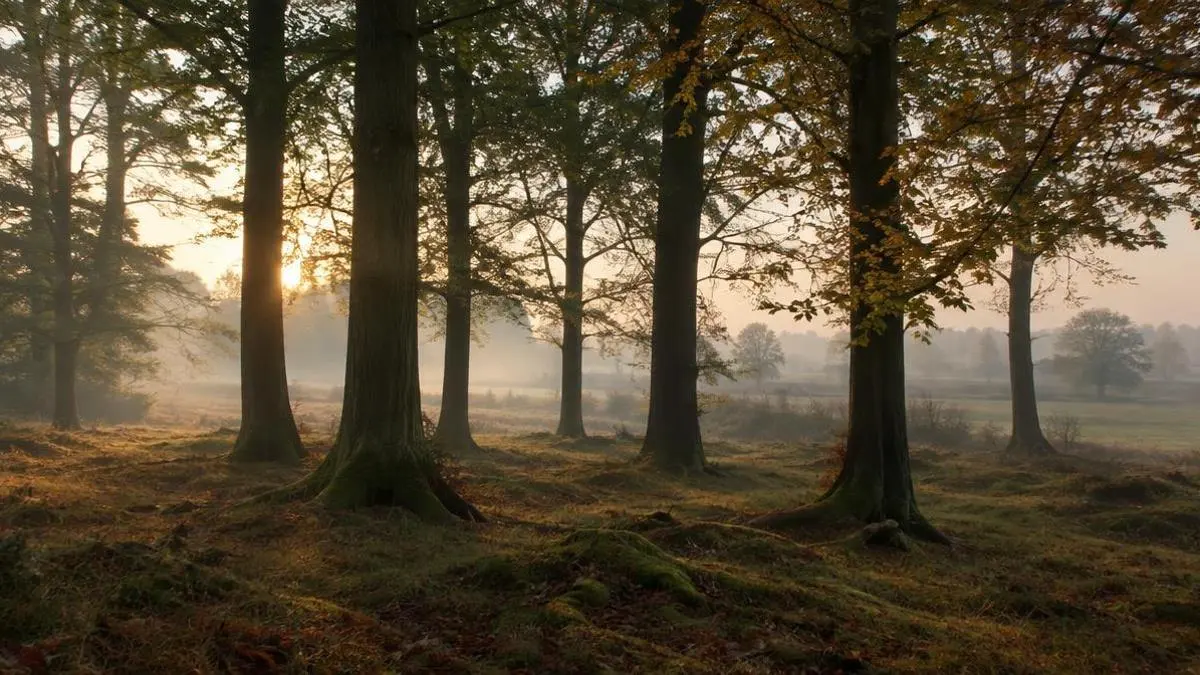
Deer stalking in Britain is a sport that focuses on watching rather than rushing. A successful day might mean a walk an hour spent behind binoculars and just a few seconds when the right chance shows up. That slow pace is part of what makes it special. You are not just trying to find a deer. You are learning how a wood, valley or field edge behaves and how the animal moves through it during different seasons.
For your time the best preparation is not buying more gear. It is understanding the rules, the kind of deer you might see the land itself and the duties that come with carrying a rifle. The guide below is meant to help with planning. Always follow the laws the landowner's rules and the advice of a trained and qualified guide.
Start with the permission and the ground
Before you think about taking a shot make sure you know where you are allowed to go and what your permission includes. Ask about boundaries, access points, nearby properties, public paths, livestock and any areas that are, off-limits. If you can walk the land during the day. Mark spots to watch from, likely places where deer cross and any locations where a bullet could never be fired safely.
A simple map is valuable. Take note of the prevailing wind, drops, watercourses and the routes you will use to get in and out without disturbing the rest of the estate. If you are visiting from overseas ask the guide to explain the routine before the morning starts. A calm briefing prevents avoidable mistakes.
Learn how deer use the landscape
Deer do not move randomly. They favour cover, food and quiet. They often travel along the same edges when the conditions remain similar. Spend time glassing woodland rides, crop margins and sheltered slopes. Look for tracks, slots, beds, browsing and fresh droppings. Treat signs as clues rather than proof that a deer is still nearby.
Weather changes the picture. A cold morning can hold deer in cover while a mild still evening may keep them feeding. Wind is just as important, as temperature. If your scent is carrying across the ground the finest approach will fail before you see an animal. Good stalking begins with accepting what the wind allows than forcing a route.
Choose equipment that earns its place
Reliable basics are more useful than a bag of gadgets. Comfortable waterproof boots, quiet clothing in muted country colours, binoculars, a small torch, spare layers and a first-aid kit should be part of the plan. Carry what you can use safely and quietly. Your guide or estate may provide a rifle and ammunition. You remain responsible for handling them correctly and for telling the guide honestly about your experience.
Before the stalk confirm the rifles zero. Practise the positions you may use in the field. A stable rest, a sight picture and a controlled trigger press matter more than chasing maximum range. If you cannot make a humane shot from a safe position the correct decision is to wait or walk away.
The approach is the real sport
Move at the pace of the ground not the pace of your watch. Pause often use the shade of hedges and trunks. Avoid stepping on loose branches when the wood is quiet. Keep the rifle in a carry position until the guide confirms that you are approaching a possible shooting position. Binoculars should do most of the work; crossing ground, with the rifle already mounted creates unnecessary risk and noise.
When I spot a deer I do not rush to close the distance. I observe the deer behaviour, the wind and what lies beyond the deer. The guide may ask me to wait while the deer turns or moves to a background. That waiting is not wasted time. That waiting separates a stalk from a hurried shot.
Make safety the decision that comes first
I identify the species and the individual beyond any doubt. I confirm that the deer is quarry for the permission and the current season. A safe shot needs a view a suitable backstop and certainty that no person, livestock, road or building is beyond the target. Never rely on vegetation to stop a bullet and never shoot at a sound, movement or glimpse that you cannot positively identify.
I keep the muzzle pointed in a direction. I keep my finger outside the trigger guard until I am ready. I follow the guides commands immediately. If the deer moves into cover the angle becomes poor or the background changes I let it go. A missed opportunity is always better than an one.
After the shot: patience and respect
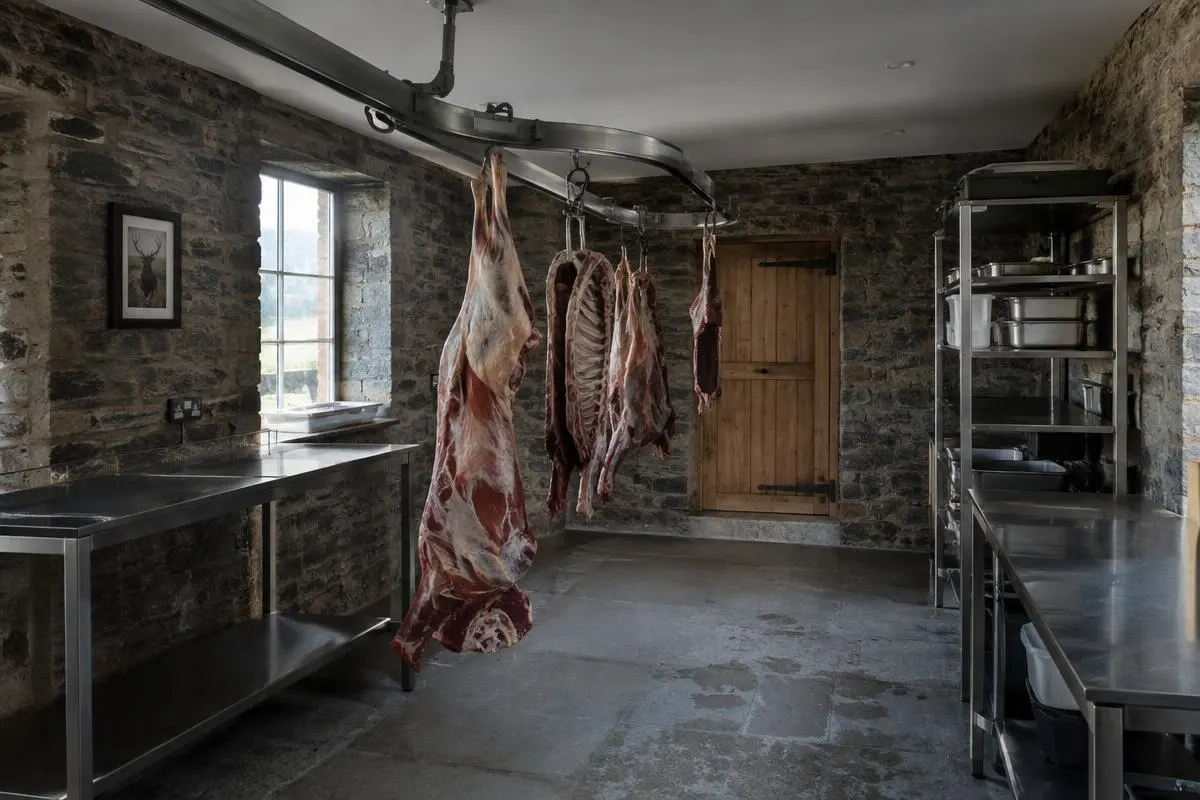
*Everything, on the estate ends up in the larder. Venison is the return of the stalk.*
Do not move away unless the guide tells you to. Give the animal time when it is needed then follow an careful next step. The guide will look at the signs. Decide what to do next. Once the animal is back to normal the work becomes practical: cutting the animal open taking it out keeping things clean and bringing it to the storage area. Handle the animal with care and follow the rules that the estate has for deer meat.
Good hunting is judged by the day not by how big the animal is. It means leaving gates the way you found them staying away from crops picking up your trash and telling the landowner about anything you notice. Write down the date the weather, the type of animal, where it was and what happened. Those records help the estate take care of the deer and help you know the area when you come back.
What to expect on a first outing
Wear layers, arrive rested and be ready for a slow beginning. The first hour might be spent listening and looking through binoculars of walking. Ask questions about the land, the gun and the plan for the day. Let the guide control the speed. A good guide would rather explain something twice, than make a guest feel like they have to take a shot.
Importantly accept that a blank day can still be an excellent day. You might learn something about the estate spot wildlife you did not expect and come back with a clearer understanding of how deer live. The shot when it comes is one small part of that experience.
Before you go: confirm seasons, permissions, firearms requirements, transport arrangements and the estates expectations with the relevant authority or professional guide. This article is information, not a substitute, for the law.
Related Articles
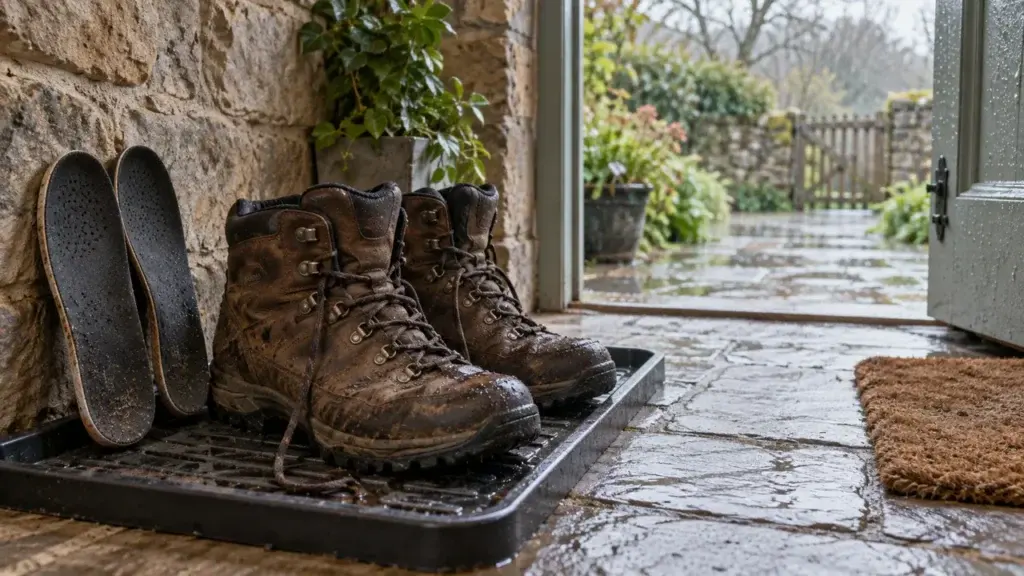
Wet Boots After a Day Outdoors: What to Do Before Tomorrow
The walk is finished and the car is unpacked, but the boots are still by the door. It is easy to leave them there until you need them again…
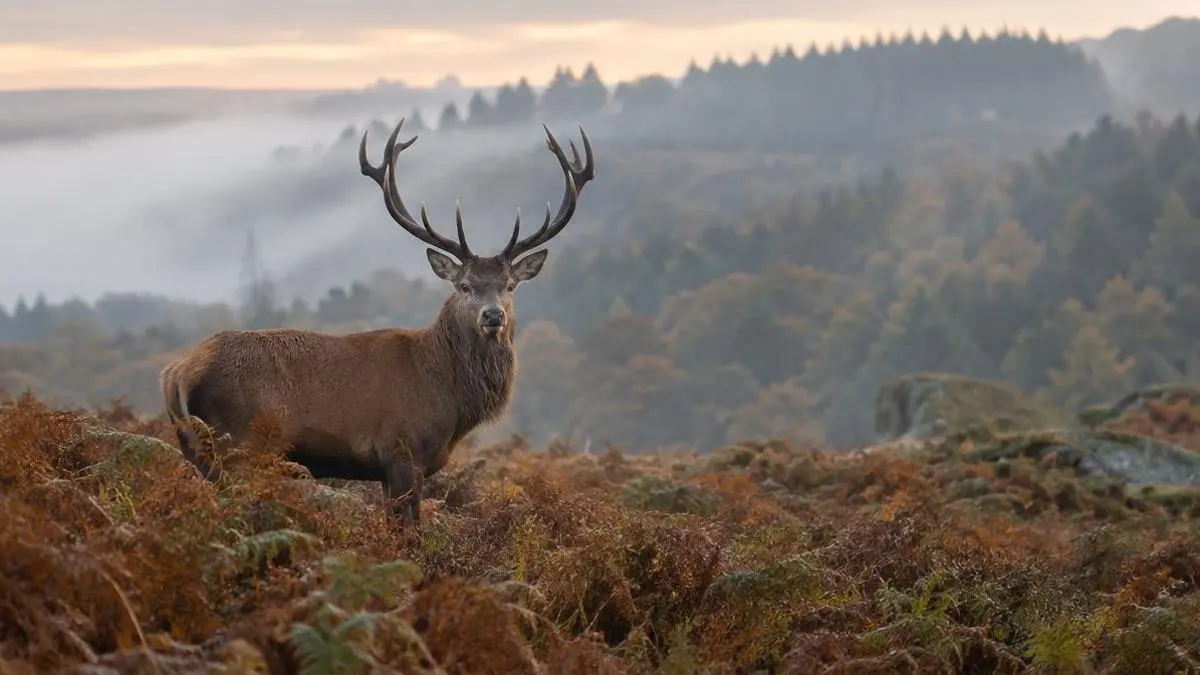
Understanding the British Deer Stalking Seasons
How to plan a British deer stalking trip around changing seasons, species, weather and local rules, with a simple method for checking dates before you travel.
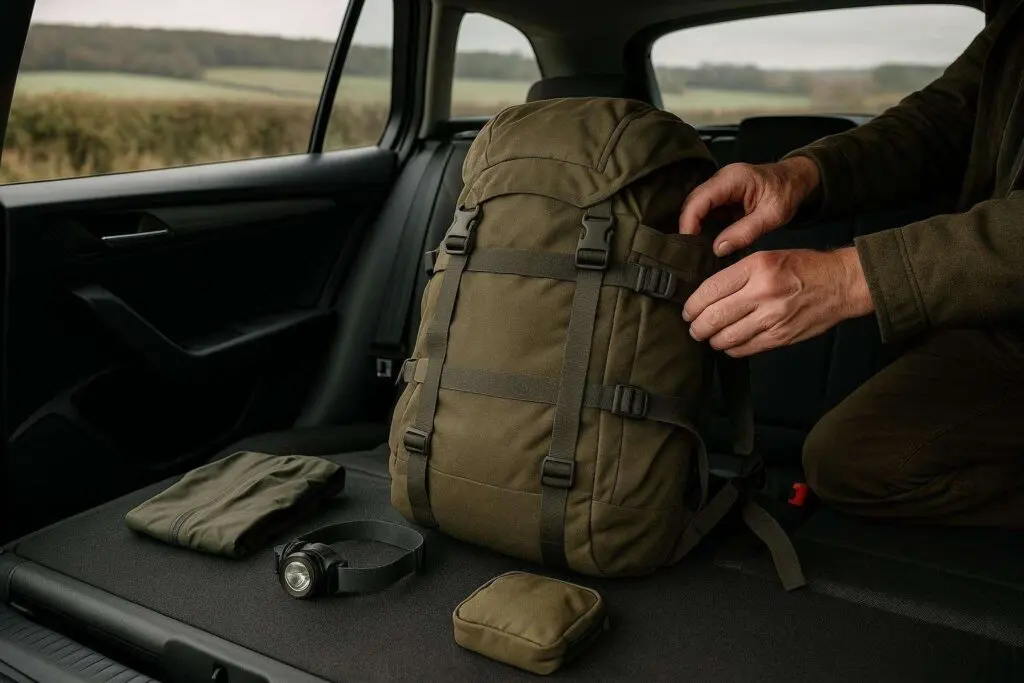
A Practical Gear Audit for a Safer, Lighter Day in the Field: From Early Planning to Final Checks
A permission day can look simple on paper: a short route, a favourable weather window and a rucksack that seems almost ready to go. In practice, small omissions become…